

Top Picks, Features, and Buying Tips
Stop and go traffic, tight parking spaces, and short hops across town make urban driving unique. This guide to the best used cars for city driving helps you choose a vehicle that feels nimble on crowded streets, sips fuel, and stays affordable to maintain. We cover what to prioritize, the body styles that work best, and smart model ideas across budgets. You will also find links to related research pages so you can compare options and check what is in stock right now. Whether you want a compact car for easy parking, a hybrid for low fuel costs, or a small SUV with great visibility, this page will point you in the right direction. Explore quick buying tips, city friendly safety and tech features, and ways to estimate ownership costs before you buy.
When you are ready to explore specific vehicles, browse our current selection, check trade in value, and dive into detailed research to make a confident decision.
City drivers value efficiency, reliability, and easy maneuverability. Our expert guide explains which features truly make a difference on busy streets and how to balance price, mileage, and condition. Use the links below to compare inventory, read buyer guides, and unlock helpful ownership insights tailored to urban driving.
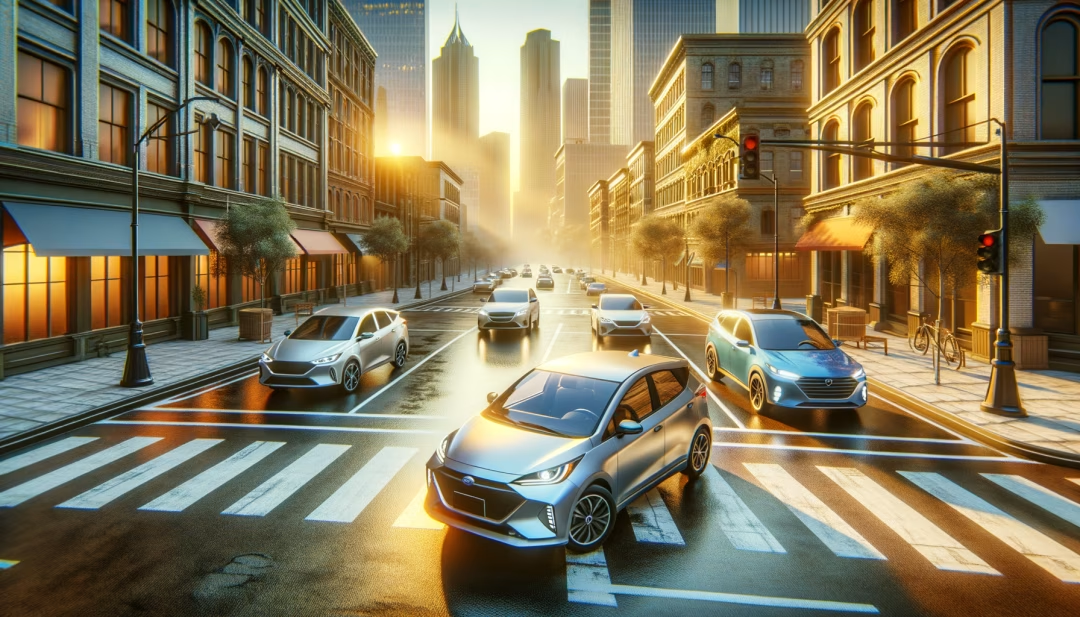
What Makes a Car Great for City Driving
City driving is defined by short trips, frequent braking, quick merges, and constant parking. The right used car should do four things well. It should be easy to park, smooth at low speeds, efficient in traffic, and cost effective to own. A compact footprint, good outward visibility, and a tight turning radius will keep you relaxed when navigating narrow streets or multi level garages. A smooth automatic, CVT, or single speed electric drivetrain keeps the ride calm in congestion. Features like automatic emergency braking and rear cross traffic alert add confidence when visibility is limited by buses, loading zones, and cyclists.
- Compact size and short wheelbase for easy parking and agile turns
- High fuel economy or hybrid and electric options for low operating cost
- Reliable track record to avoid downtime and surprise repairs
- Driver assist tech like automatic emergency braking and rear cross traffic alert
- Durable suspension and tires to handle potholes and speed bumps
Top Body Styles for the City
Different body styles deliver different advantages in dense areas. Compact cars are typically the most affordable to buy and operate. Subcompact and compact SUVs add a bit of ride height for visibility without becoming hard to park. Hybrids and electric vehicles reduce fuel and maintenance costs, which is perfect for stop and go patterns. Sedans remain a smart choice when you want a quiet ride and a trunk that hides belongings out of sight.
- Compact cars: Easy to park and usually the best value per mile. See best-used-compact-cars and best-used-commuter-cars.
- Small SUVs and crossovers: Extra visibility and cargo room. Explore best-used-crossover-suvs.
- Hybrids and EVs: Excellent efficiency in traffic. Visit best-used-hybrid-cars and best-used-electric-vehicles.
- Sedans: Comfortable ride and hidden storage. See best-used-sedans.
City Friendly Features to Prioritize
Not all features are created equal in the city. Focus on options that improve visibility, reduce collision risk at low speeds, and keep costs down. Practical conveniences like heated mirrors, a backup camera with clear resolution, and parking sensors save time and reduce stress. Smartphone integration for maps and voice control helps you find destinations and parking without distraction. If parallel parking is common in your area, look for vehicles with a short overall length and a good camera system that shows the bumper and curb clearly.
- Automatic emergency braking and pedestrian detection
- Rear cross traffic alert and blind spot monitoring
- Backup camera with parking sensors or surround view
- Apple CarPlay or Android Auto for reliable navigation and hands free calls
- Tight turning radius and light steering effort
Best Used Cars for City Driving by Need
Below are city focused picks organized by priorities. These examples are based on common urban needs and owner satisfaction trends, as well as fuel economy and reliability insights. Availability varies by market and model year. Use our research links to compare trims, safety ratings, and expected maintenance costs.
Best for Easy Parking and Tight Streets
Subcompact and compact models with a short wheelbase shine on narrow blocks. Look for wide door openings and good visibility so loading groceries or gear is simple. Models in this category typically have low insurance and tire replacement costs.
- Explore best-used-compact-cars and used-cars-with-high-mpg.
Best for Low Fuel and Ownership Costs
Stop and go traffic punishes fuel economy in traditional gas cars. Hybrids and EVs reclaim energy while braking and use power only when needed. Over the course of a year of short trips, the savings can be significant. Battery electric cars also avoid oil changes and many routine services.
- See best-used-hybrid-cars, best-used-electric-vehicles, and used-cars-with-high-mpg.
Best for Ride Comfort on Rough Streets
If your commute includes broken pavement or speed humps, prioritize compliant suspension, higher profile tires, and seats with good cushioning. Small SUVs often strike a nice balance between size and comfort without sacrificing maneuverability.
- Consider best-used-crossover-suvs and best-used-midsize-suvs for comfort and visibility.
Best on a Budget
Value seekers can find excellent city cars across several price bands. Prioritize condition and maintenance records over luxury features. A well kept base model is usually better than a neglected loaded trim.
- Start with best-used-cars-under-10000, best-used-cars-under-15000, and best-used-cars-under-20000.
Reliability and Safety Considerations
Urban driving exposes vehicles to frequent cold starts, short cycles that do not fully warm the engine, and curb strikes from tight parking. Choose models with a strong reliability record and prioritize safety tech that reduces low speed collisions. When browsing vehicles, review a service history, look for evidence of regular oil changes, and check for recent brake and tire work. Verify that all driver assistance features operate as intended. When in doubt, schedule an independent inspection.
- Research on most-reliable-used-cars and used-cars-with-best-safety-ratings
- Compare safest-used-cars and used-cars-with-best-crash-test-ratings
City Ownership Costs and How to Lower Them
Owning a city car is not only about purchase price. Fuel, insurance, parking, maintenance, and depreciation all matter. Optimize your budget by choosing a model with high mpg or a hybrid or electric powertrain, and shop insurance quotes before you buy. Smaller wheels with higher profile tires cost less to replace and ride better on rough roads. Features like auto stop start and efficient HVAC systems reduce idle fuel use. For electric vehicles, consider whether you can charge at home or work, and confirm local incentives or off peak electricity rates that improve total cost of ownership.
- Learn about used-cars-with-lowest-cost-of-ownership and used-cars-with-best-resale-value
- Budget guidance on used-car-price-trends and used-car-ownership-cost-analysis
Inspection Tips for Urban Use
During a test drive, focus on the details that reveal how a car will behave in the city. Practice parallel parking and a U turn to feel the steering effort and turning circle. Listen for suspension clunks over speed bumps and inspect wheels and tires for curb rash. Test the backup camera and parking sensors in a real space. Verify that the air conditioning cools quickly for short trips. If the vehicle has a hybrid battery, ask for a health report or recent testing. Always run a vehicle history check and ask about recall completion.
- Use our used-car-inspection-checklist and used-car-vin-check-guide
- Read what-to-look-for-when-buying-a-used-car and how-to-avoid-buying-a-bad-used-car
How to Match a City Car to Your Routine
Select your vehicle based on where and how you drive most often. If you park on the street, a smaller car with bumper protection and affordable tire sizes will save money over time. If you carpool or carry gear, a compact hatchback or small SUV may better fit your lifestyle without being hard to park. If your daily routes include hills and tunnels with heavy traffic, a hybrid or EV will reduce stop and go fatigue and fuel costs. Finally, check the availability of local service for your chosen brand, since quick and nearby maintenance keeps you moving.
Where to Continue Your Research
Ready to compare options and see what is available now. Use the links below to browse inventory, read deep dive guides, and plan ownership costs. These pages help you validate reliability, value, and safety before you make a decision.
FAQ: Best Used Cars for City Driving
More Helpful Site Links
Office Hours
Monday
Tuesday
Wednesday
Thursday
Friday
Saturday
9:00 am - 5:00 pm
9:00 am - 5:00 pm
9:00 am - 5:00 pm
9:00 am - 5:00 pm
9:00 am - 5:00 pm
Closed
