

Features, Picks, and Buying Tips
Ready to turn trailheads, national forests, and weekend basecamps into easy adventures. This guide to the best used SUVs for camping explains which features matter most off pavement and at the campsite, how to spot dependable models, and smart ways to stretch your budget. We cover ground clearance, all wheel drive and four wheel drive systems, cargo space for gear, roof rack compatibility, towing for small campers, and fuel economy for long routes. You can browse current options in our Used Inventory and compare similar picks on our Best Used SUVs hub. If you want three row flexibility or winter ready traction, see Best Used 3 Row SUVs and Best Used AWD Vehicles. Use the insights below to narrow choices, plan your build, and set up a reliable, comfortable campsite wherever the road ends.
Every camper packs differently, so the right SUV should match your terrain, travel style, and gear list. Daily drivers who camp once a month may value quiet rides and great mpg, while overnighters on rough forest roads need durable suspensions and recovery points. Compare options, review ownership costs, and check history reports. Our research pages and blog posts can help, including How to Buy a Used Car and Used Car Buying Checklist. When you are ready to evaluate trade value or plan payments, visit Value My Trade and Payment Options.
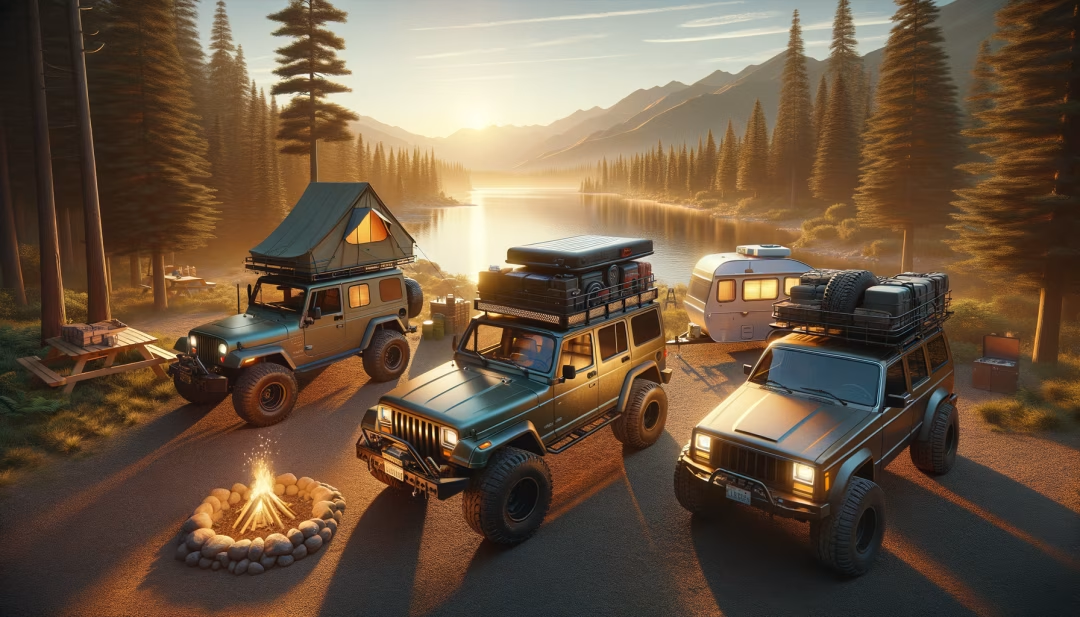
What Makes an SUV Great for Camping
The best used SUVs for camping balance trail capability, cargo flexibility, and long haul comfort. Think about where you camp, how many people ride along, and which gear you carry. A rooftop tent and recovery kit put different demands on a vehicle than a family of five with coolers and bikes. Start with these fundamentals.
- Ground clearance and approach angles for mild to moderate trails without scraping
- AWD or 4WD with selectable modes or low range for traction on dirt, gravel, and light snow
- Roof rails and crossbars rated for dynamic and static loads if using a rooftop tent or cargo box
- Flat folding rear seats and tall cargo openings for coolers, bins, and sleeping platforms
- Towing capacity matched to small campers, kayaks, or utility trailers
- Skid plates and all terrain tires for durability on rutted roads and rocky approaches
If winter camping or mountain weather is in the mix, look for models from our Best Used Vehicles for Winter Driving and Safest Used SUVs guides. For highway heavy itineraries, cross reference with Used Cars with High MPG to find efficient powertrains that still hold their own on washboards.
Top Used SUV Features to Prioritize
Focus on the features below when comparing trims and years. They make real world differences at the trailhead and in camp.
- All wheel drive or four wheel drive: Systems with torque vectoring or a locking center differential add control on loose surfaces. Low range is ideal for steep, slow climbs with gear.
- Suspension tuning: Off road packages often include stiffer springs, monotube shocks, and thicker underbody protection for repeated trail use.
- Cargo and sleep solutions: A flat load floor and at least 70 cubic feet of max cargo volume suit simple sleep platforms and bulky items.
- Power and gearing: Torque at low rpm helps when fully loaded. Check axle ratios and tow packages for cooler upgrades and wiring.
- Reliable drivetrains: Start your shortlist with picks from Most Reliable Used SUVs to reduce maintenance surprises far from town.
Great Used SUVs for Camping by Category
Below are popular categories many shoppers consider. Use them as a starting point and compare availability in our Used Inventory and recent Sold Inventory to gauge pricing trends.
Budget Friendly Under 15000
Value and capability can coexist. Look for durable drivetrains, simple electronics, and trims with factory roof rails. For price focused research, see Best Used SUVs Under 15000 and Most Reliable Used Cars Under 15000.
- Compact AWD crossovers with 7 to 8 inches of clearance for maintained forest roads
- Older body on frame SUVs with proven 4WD systems and simple tow packages
Best for Families and Groups
If you carry four to seven people, prioritize space, safety, and third row access. Many three row SUVs still fold flat for sleeping or gear. Explore Best Used 3 Row SUVs and Best Used Family Cars for broader insights.
Hybrid and Electric Options for Quiet Campsites
Hybrids offer quieter idling and excellent range, great for dispersed sites. Some plug in hybrids can power campsite accessories through onboard outlets. Check Best Used Hybrid Cars and Best Used Electric Vehicles for ownership notes. For value picks, see Best Used Hybrid Cars Under 20000 and Best Used Electric Cars Under 25000.
How to Inspect a Used SUV for Camping Duty
A vehicle that lives part time on washboard roads needs strong cooling systems, tight suspensions, and rust free underbodies. Use this field tested checklist before you commit. Pair it with our full Used Car Inspection Checklist and Used Car Buying Checklist.
- Undercarriage: Look for rust at frame rails, control arms, and subframes. Check skid plates and crossmembers for dents that indicate hard impacts.
- Suspension and tires: Inspect shock leaks, bushing wear, and tie rod play. Confirm even tire wear and appropriate load ratings for all terrain options.
- Cooling and charging: Trail speeds reduce airflow. Verify fresh coolant, radiator fin condition, and alternator output for fridges and lights.
- Drivetrain: Engage AWD or 4WD, listen for binding, and verify transfer case shifts smoothly. On gravel, test stability and traction modes.
- Roof system: Confirm factory rails are solid and that crossbars match the static load rating of rooftop tents.
Packing and Setup Tips for SUV Camping
Great gear strategy prevents campsite chaos. Keep heavy items low and forward of the rear axle, label bins, and plan quick access for essentials like headlamps and first aid. A basic organization plan saves time and protects your suspension.
- Storage layout: Use stackable bins for kitchen, sleep, and recovery kits. Build a simple slide platform if you camp often.
- Power: A 12 volt fridge and LED lights draw modest power. Consider a dual battery or portable power station with solar input.
- Tires: Slightly lower pressures on dirt improve comfort. Use a portable compressor to re inflate before pavement.
- Water and waste: Carry more water than you think. Pack leakproof containers and follow Leave No Trace disposal rules.
Budget Planning and Ownership Costs
Camping miles add up, so include fuel, maintenance, and tire costs in your total budget. Compare vehicles with our Used Cars with Lowest Cost of Ownership and Used Cars with Best Resale Value resources. For financing help, review How Does Used Car Financing Work, Used Car Loan Interest Rates, and How Much Down Payment for Used Car. Shoppers building credit can explore Can You Finance a Used Car with Bad Credit and How to Get Approved for a Used Car Loan.
Safety and Reliability for Remote Trips
When you are miles from services, reliability and safety matter most. Look for high owner satisfaction and low recall rates. Bring your shortlist to our Schedule Service page for a pre trip inspection. For data driven picks, see Used Vehicles with Lowest Recall Rates, Most Reliable Used SUVs, and Used Cars with Longest Lifespan.
Matching an SUV to Your Camping Style
Choose based on the trips you take most often. This alignment saves money and increases satisfaction. Use these quick profiles to refine the search.
- Weekend warriors: Compact AWD crossovers with roof boxes, good mpg, and simple sleep platforms excel for quick trips.
- Family campers: Three row SUVs with second row captain chairs, roof rails, and factory tow packages balance comfort and cargo.
- Overland curious: Body on frame SUVs with low range and room for a fridge, recovery boards, and water storage are versatile and durable.
Helpful Resources and Related Guides
Use the links below to continue research, compare trims, and plan ownership with confidence.
FAQ: Best Used SUVs for Camping
Next Steps
Explore current availability in Used Inventory, compare recently sold benchmarks in Sold Inventory, and learn about ownership details in our Blog. When you are ready to drive a candidate on mixed surfaces, use Schedule a Test Drive. If you want guidance from our team, visit Meet Our Staff and Contact Us. For store hours and directions, see Locations.
For policies and transparency, review Visitor Agreement, Terms, and Privacy Policy. Your feedback helps improve our guides. Share thoughts on our Customer Survey.
Office Hours
Monday
Tuesday
Wednesday
Thursday
Friday
Saturday
9:00 am - 5:00 pm
9:00 am - 5:00 pm
9:00 am - 5:00 pm
9:00 am - 5:00 pm
9:00 am - 5:00 pm
Closed
