

Strategies That Shape the Number on the Sticker
Understanding how dealers price used cars helps you shop with confidence. Pricing is not random. It blends what the market will pay with the real costs of bringing a vehicle to retail condition. Dealers start with acquisition sources like trade ins and auctions, then layer in market data, vehicle history, reconditioning, supply and demand, and competitive listings nearby. Modern tools update prices frequently as conditions change.
This guide explains the major inputs behind a retail price, the difference between wholesale and retail values, and why two similar vehicles can be listed differently. You will see how options, mileage, accident history, trim, and seasonality impact value, plus how fees and warranties factor into the out the door total. Use the insights below, cross reference live listings on used-inventory, and explore valuations on value-my-trade to make informed, data driven decisions on your next vehicle.
Dealers rely on pricing models that move with the market. They watch auction indices, competitor ads, and days on lot while balancing reconditioning and warranty coverage. When you understand that mix, you can compare apples to apples, ask better questions, and quickly spot a fair price. For more research, visit how-to-value-a-used-car, used-car-wholesale-vs-retail-pricing, and current used-car-price-trends.
What Goes Into a Used Car Price
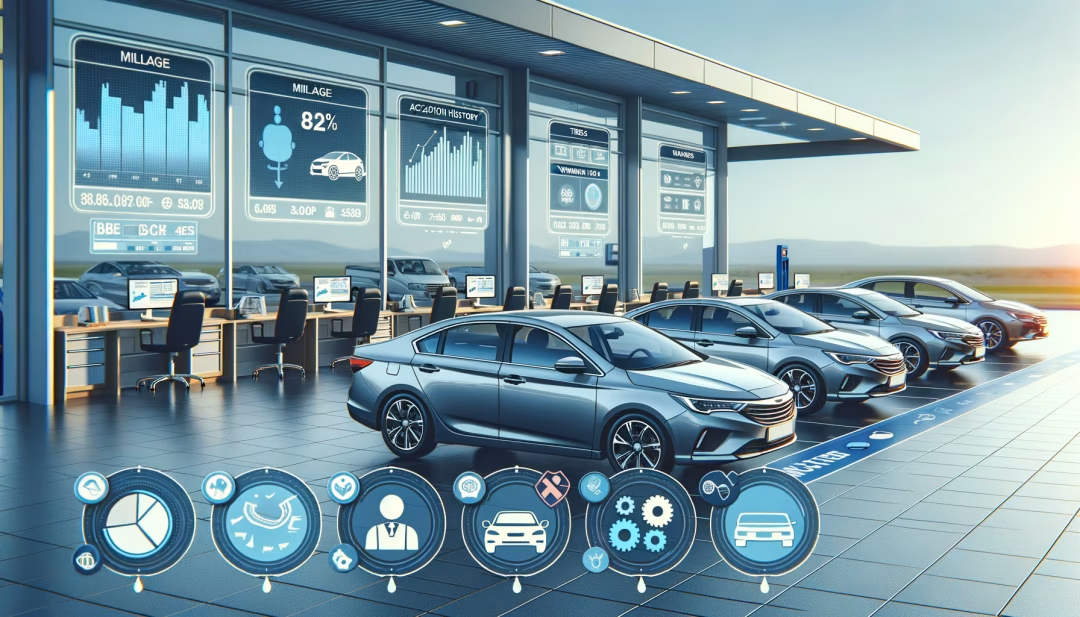
A retail used car price reflects far more than a simple markup. It is a total of acquisition cost, reconditioning and certification, market positioning, and risk management. Think of it as a formula: buy cost plus improvement cost plus overhead and risk, adjusted by real time demand and competition. Below are the typical elements that shape the final sticker.
- Acquisition source and cost: auction hammer price, trade in allowance, off lease purchase, or private purchase
- Reconditioning: mechanical, tires and brakes, fluids, alignment, detailing, cosmetic fixes, recall completion, emissions testing
- Vehicle history: title status, accidents, service records, number of owners, use type such as rental or fleet
- Mileage and condition: wear and tear, interior and exterior grade, odor, wheel damage, glass, electronics
- Trim, equipment, and packages: safety tech, AWD, tow package, leather, sunroof, premium audio, driver aids
- Market data: auction indices, listing comparables, days on lot, seasonality, and regional preferences
- Dealership overhead: shop labor, diagnostics, transport, detailing, floorplan interest, and warranty risk
Market Data Dealers Use
Dealers monitor wholesale and retail feeds to set competitive prices. Auction benchmarks such as Manheim Market Report and Black Book reflect wholesale trends. Retail comparables, pulled from listing platforms and dealer management tools, show what similar vehicles are advertised for in the same radius. Many stores use dynamic pricing software that automatically adjusts prices based on days on lot, lead volume, and competitor changes. If a vehicle sits without inquiries, expect progressive reductions to keep it aligned with the market.
You can mirror this approach with publicly available tools. Start with how-to-value-a-used-car, then compare near identical trims in used-inventory. Factor mileage, packages, accident history, and reconditioning disclosures when comparing. When those match, price differences usually come down to store recon standards and warranty coverage.
Reconditioning and Certification
The biggest invisible input is reconditioning. Stores that replace borderline tires and brakes, fix paint blemishes, and complete factory maintenance spend more up front but create a better ownership experience. Certified pre owned programs add inspection steps, brand backed warranties, and often roadside assistance. These investments raise retail price but reduce your early ownership costs and risk.
- Typical independent lot reconditioning: 600 to 1,500 on average vehicles
- Franchise dealer or CPO level: 1,200 to 2,500 or more depending on brand standards
- Detailing and cosmetic: 150 to 600 for deep clean, paintless dent repair, and wheel refinish
Ask to see a reconditioning report. If major items are new or recently serviced, a slightly higher sticker can still be the lower total cost of ownership. For general coverage differences, see used-car-warranty-guide and used-vehicles-with-best-warranty-coverage.
Vehicle History and Equipment Adjustments
Two identical models can command very different prices if one has a clean history with consistent maintenance and desirable options. Accident severity and type, airbag deployment, and structural repairs reduce market value. One owner vehicles with documented service commonly earn a premium. Option content such as advanced safety tech, AWD, and premium packages can materially lift retail value relative to base trims.
- Mileage bands affect pricing steps such as under 40k, 60k, 80k, 100k plus
- High demand colors and AWD can boost value in winter states
- Fleet or rental history may lower value depending on service records
Use how-to-check-used-car-history and used-car-vin-check-guide to validate records before you compare prices.
Seasonality and Regional Factors
Buyer demand is seasonal. Convertibles and sports cars peak in spring and early summer. AWD SUVs and trucks firm up as winter approaches. Regional preferences also matter. A 4x4 commands more in snow states, while efficient compact cars surge when fuel prices rise. Dealers adjust pricing based on these cycles and the local buyer mix. If you are flexible on timing, you can secure better value by shopping slightly off season. For timing and trend insights, see when-is-the-best-time-to-buy-a-used-car and used-car-market-trends.
Wholesale vs Retail Pricing
Wholesale is the dealer to dealer market. Retail is the consumer market. The spread between the two covers reconditioning, transport, fees, recon risk, and dealership overhead, plus a reasonable margin. Comparing a retail listing directly to a wholesale index is not apples to apples. Instead, look at retail comps for similar vehicles and then evaluate differences in condition and coverage. For a deeper dive, visit used-car-wholesale-vs-retail-pricing.
How to Evaluate if a Price Is Fair
A fair price aligns with local comparables, is supported by reconditioning documentation, and reflects vehicle history and equipment. Here is a quick method you can follow:
- Match the VIN level trim and options across three to five similar listings in your radius
- Normalize for mileage using per 1,000 mile adjustments common in your segment
- Check accident and ownership history, and remove outliers with severe events
- Request the recon list and recent service receipts and assign value to new tires, brakes, and maintenance
- Review fees to calculate the out the door total, not just the sticker
If the vehicle is priced slightly above the lowest comp but has stronger reconditioning and warranty support, it may still be the better buy over the first 12 months. Use this approach alongside how-to-negotiate-a-used-car-price for smart, respectful negotiations.
Fees, Add Ons, and Total Price
Most dealers itemize a documentation fee and may charge for emission or safety inspections as required by state law. Optional add ons such as paint protection, window etch, and service contracts should be clearly labeled as optional. When comparing listings, ask for a buyer sheet that includes all fees and taxes so you can compare the total. For financing considerations and how rates influence payment, see how-does-used-car-financing-work, used-car-loan-interest-rates, and available payment-options.
Dealership Types and Pricing Styles
Franchise dealers often maintain higher recon standards and may include brand certified options. Independents vary widely and sometimes offer leaner recon at a lower price. Specialty stores focus on niche segments such as trucks or luxury and price based on deeper expertise. Buy here pay here lots fold more risk into the price and payment terms. Each model can be fair if it aligns with your priorities for condition, coverage, and budget. Explore typical pros and cons on certified-pre-owned-vs-used and is-buy-here-pay-here-a-good-idea.
Dynamic Repricing and Days on Lot
Most stores target an inventory turn goal. If a vehicle has high days on lot, software or manager reviews may trigger scheduled price reductions. These drops are calibrated to maintain competitiveness while protecting margin. Watching a listing over one to two weeks can reveal a store pattern. Pair that with your market research to decide when to engage. For broader supply and demand context, see used-car-inventory-trends and used-car-supply-and-demand-report.
Your Action Plan to Compare and Decide
Price is a headline. Value is the full story. Put structure around your search so you can make a confident decision without second guessing later. These steps help you move from browsing to buying with clarity.
- Define must have features and nice to have options before you compare prices
- Pull a history report and confirm maintenance for any serious candidate
- Request reconditioning details in writing and assign value to recent wear items
- Use a consistent radius and trim match for all comparables
- Calculate out the door totals including fees and taxes to compare choices accurately
If you are changing vehicles, remember that your trade value impacts the overall math. Check live estimates at value-my-trade and review used-car-trade-in-guide to understand how mileage, condition, and market trends affect your allowance.
Explore Related Resources
Expand your research with these focused guides and market snapshots. They will help you interpret prices and narrow choices by segment and budget.
Helpful Links
Frequently Asked Questions
Office Hours
Monday
Tuesday
Wednesday
Thursday
Friday
Saturday
9:00 am - 5:00 pm
9:00 am - 5:00 pm
9:00 am - 5:00 pm
9:00 am - 5:00 pm
9:00 am - 5:00 pm
Closed
